China's 180-Day Rule for Used Car Exports — And 3 Legal Ways to Export New Cars
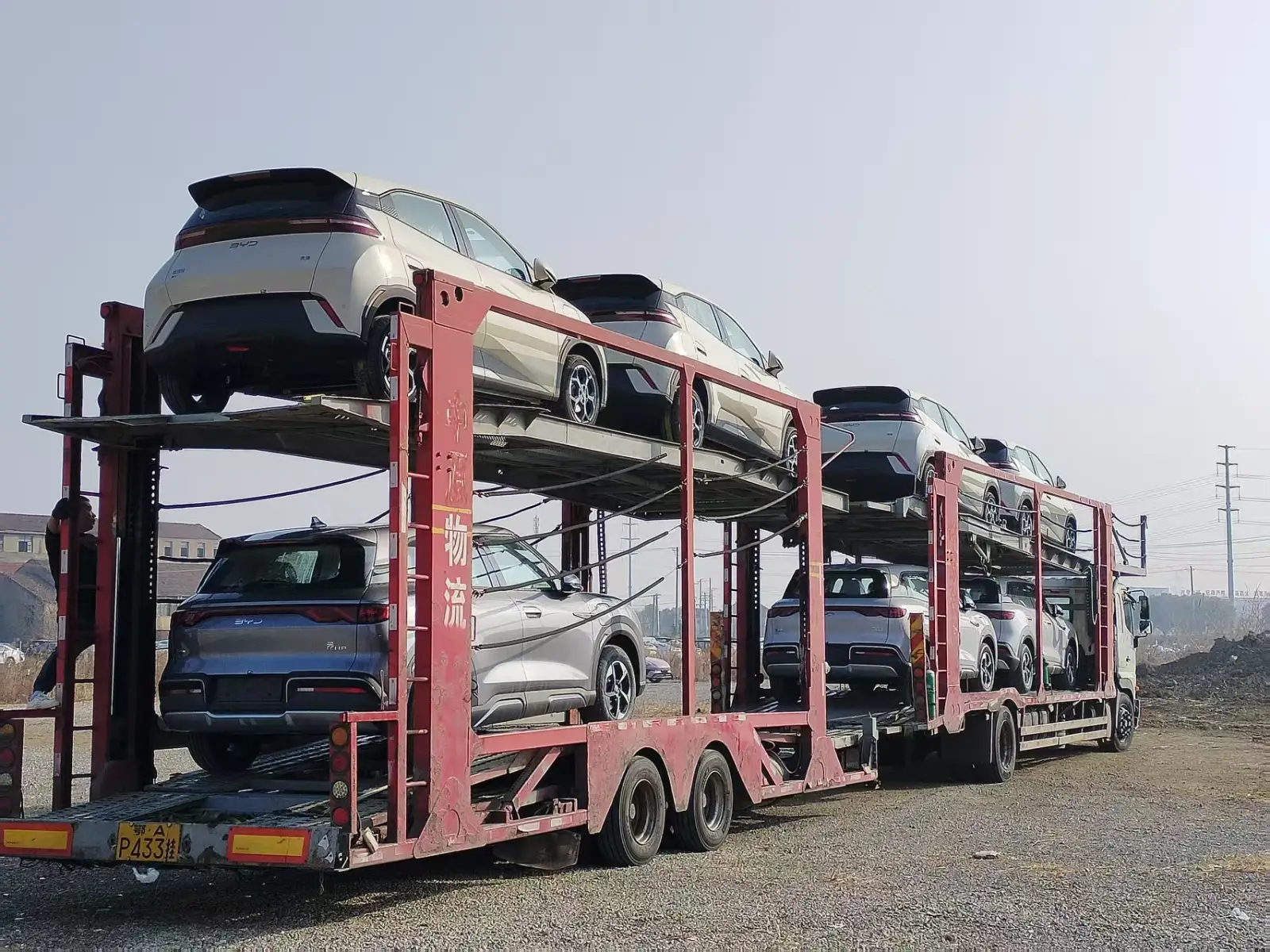
China's New 180-Day Export Restriction: What Changed?
On November 11, 2025, China's Ministry of Commerce (MOFCOM), together with the Ministry of Industry and Information Technology (MIIT), the Ministry of Public Security, and the General Administration of Customs, issued Document No.〔2025〕648 — "Notice on Further Strengthening the Management of Used Car Exports."
Effective date: January 1, 2026.
The Core Restriction
Vehicles with a registration date fewer than 180 days (inclusive) from the export application date can no longer be exported as used cars — unless the vehicle manufacturer issues a formal "After-Sales Service Confirmation Letter" .
(After six months of observation, up to now no factory has been willing to sign this "After-Sales Service Confirmation Letter", which means that the manufacturer now has the power to control large-scale new car exports.)
Why Was This Policy Introduced?
The 180-day rule targets a specific shortcut: exporting brand-new cars as "used cars" to bypass new-car export restrictions.
Previously, we exporters would:
1.Register a brand-new vehicle domestically (obtaining a Chinese license plate)
2.Immediately export it as a "used car" (avoiding new-car export license requirements)
3.Sell it overseas as "new" — Utilizing shortcuts to offer foreign the favorable low-price advantage
The new policy closes this shortcut by requiring manufacturer authorization for any vehicle exported within 180 days of registration.
What Happens If You Don't Comply?
❌ Export license will not be issued
❌ The shipment will be blocked at customs
❌ Repeated violations are tracked in China's Integrity System — enterprises can be banned
✅ 3 Compliant Ways to Export New Chinese Vehicles
The 180-day rule does NOT mean new Chinese vehicles cannot be exported. It means exporters must use compliant channels. SUDI AUTO is qualified to operate all three of the following methods.
Solution 1: Register and Hold for 180 Days Before Export
This is the most straightforward compliant method.
How it works:
1.Register the vehicle in China (obtain domestic license plate)
2.Hold / "stock" the vehicle for 180+ days
3.Export it as a legitimate used car with full documentation
Pros:
✅ Fully compliant with MOFCOM regulations
✅ No manufacturer authorization required (vehicle is genuinely meets the 180-day requirement.)
✅ Works for all brands and models
✅ SUDI has secure indoor storage for batch holding
Cons:
⚠️ Funds will be locked for 6 months
⚠️ Vehicle cannot be returned
⚠️ Customers will experience a 6-month waiting period
Best for: Small quantity of exports ranging from 1 to 20 units.
SUDI's advantage: We maintain secure, insured storage facilities in Wuxi China. We can batch-hold vehicles and ship when the 180-day window opens — reducing per-unit logistics costs.
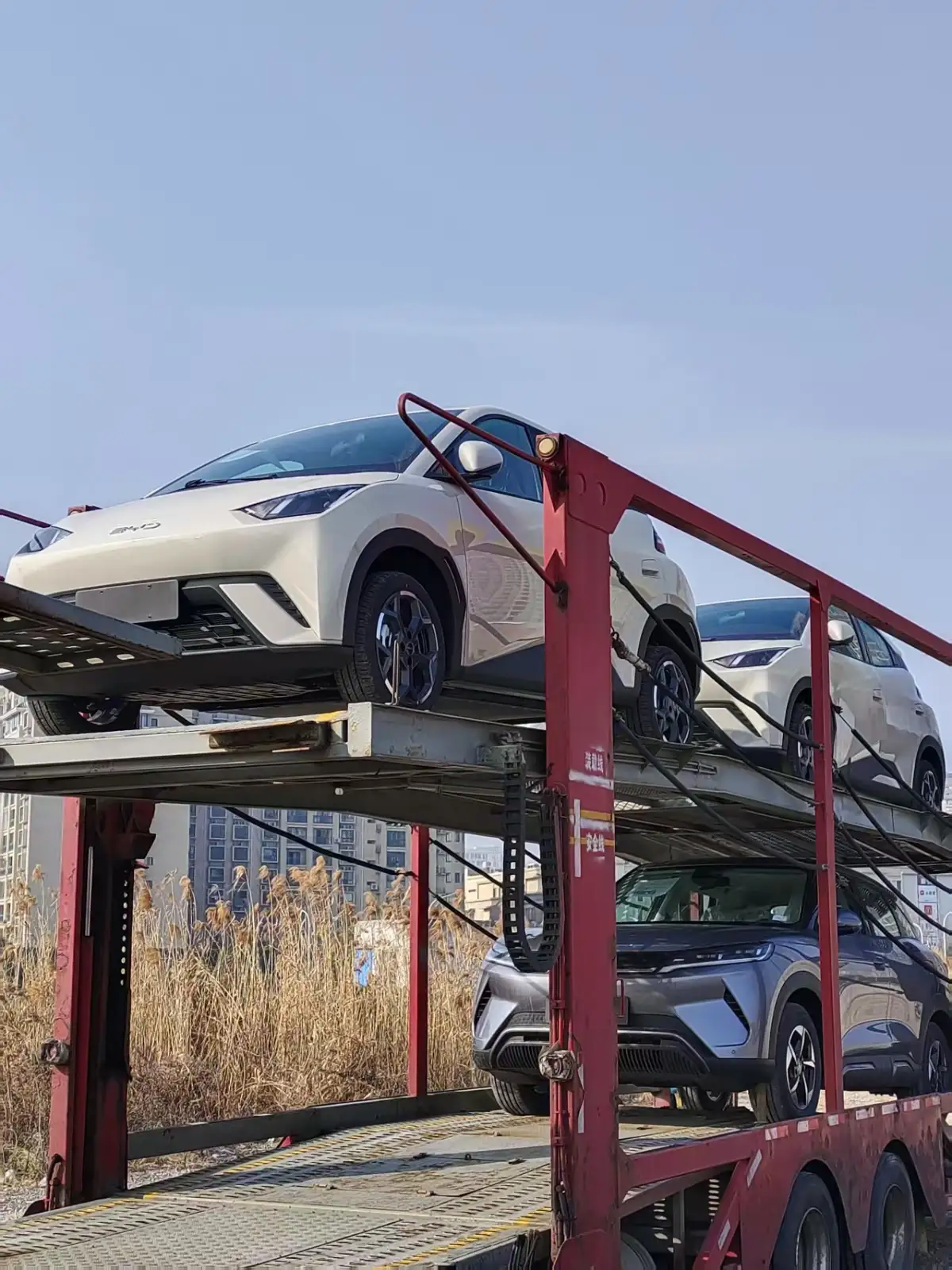
Solution 2: Export via Modified Vehicle Manufacturer's Announcement
This method uses China's modified vehicle export channel — a fully legal and MOFCOM-recognized export pathway.
How it works:
1.The vehicle is modified by a MIIT-licensed modified vehicle manufacturer
2.The modified vehicle is listed in MIIT's Road Motor Vehicle Manufacturers and Products Announcement under the modifier's name
3.Export is conducted under the modified vehicle category — not as a "used car" and not as a "new car" subject to the 180-day rule
What counts as a "modification"?
Under Chinese regulations, even relatively minor modifications (specialized bodywork, equipment integration, configuration changes) can qualify a vehicle for modified-vehicle export status — provided the modifier is MIIT-licensed and the product is listed in the Announcement.
Pros:
✅ Bypasses the 180-day registration clock entirely
✅ Vehicle can be exported immediately after modification
✅ Fully compliant — modified vehicle export is a recognized MOFCOM category
✅ Enables export of vehicles that cannot wait 180 days
Cons:
⚠️ Requires partnership with an MIIT-licensed modifier
⚠️ The modifications must be genuine (not fictional).
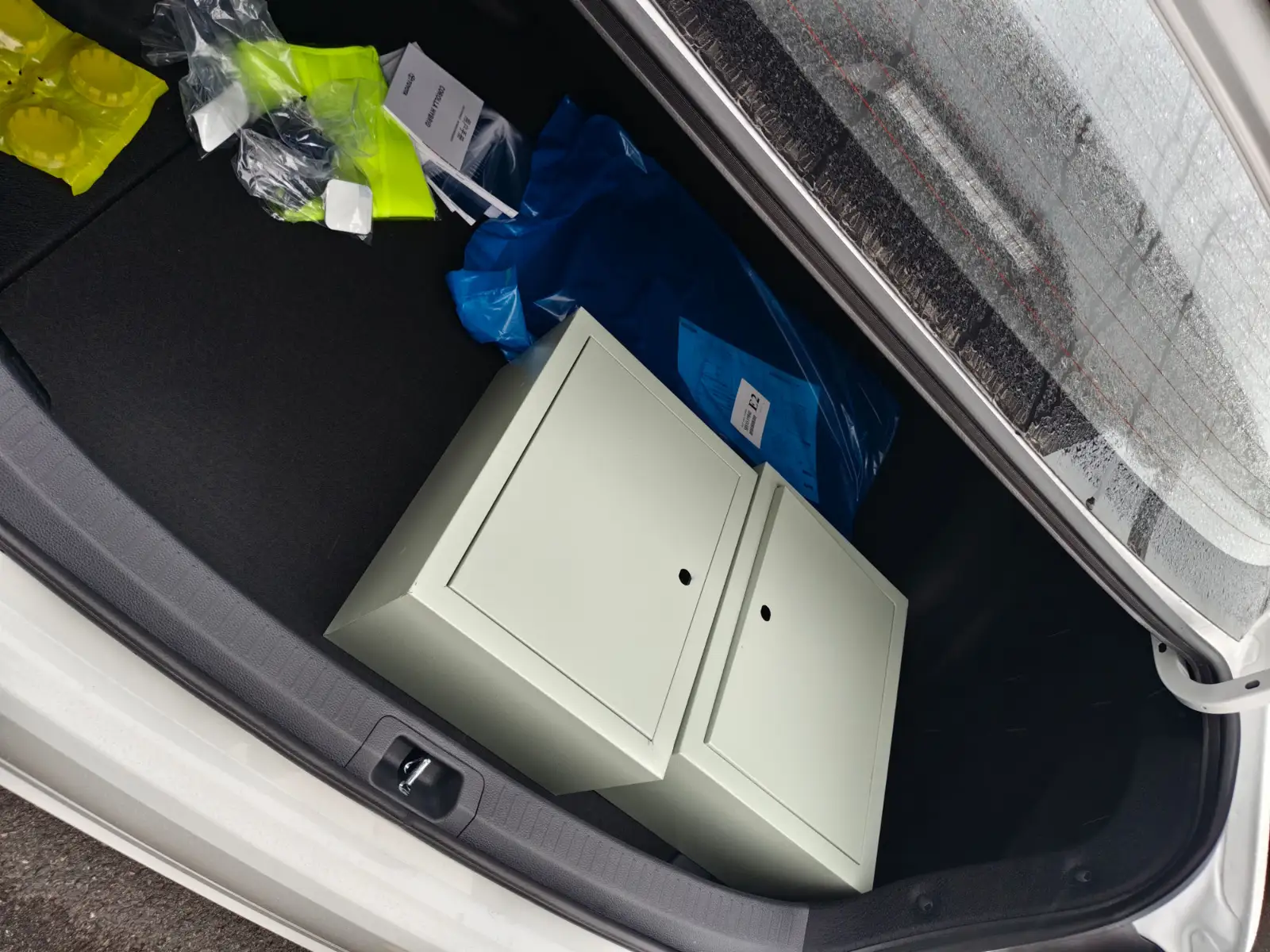
⚠️The current common practice is to convert the vehicle into a "Tools Vehicle", provided by a set of Wrench and screwdriver tools in the vehicle.
⚠️ Not all vehicles can obtain the MIIT's modification approva
Best for: Medium-sized batch vehicle exports ranging from 20 to 100 units.
SUDI's advantage: We have established partnerships with licensed modification enterprises. We handle the entire modification-to-export workflow — from vehicle sourcing to Announcement listing to export documentation.
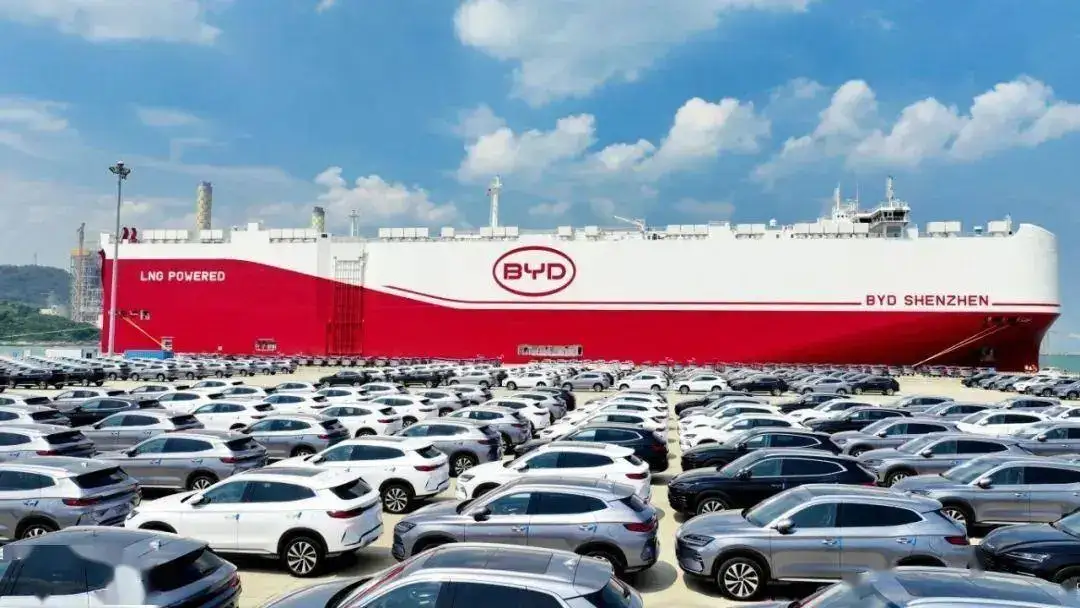
Solution 3: Manufacturer-Authorized Export
This is the most premium channel — available only to large-volume buyers who can meet BYD's factory requirements.
How it works:
1.The buyer/importer signed a bulk purchase agreement with SUDI.
2.SUDI places an order with BYD factory for a customized batch.
3.BYD will export directly through its factory, without the need for a trading company to handle the export license.
4.Export without any 180-day restriction.
Pros:
✅ Vehicles are directly exported from the factory.
✅ The logistics for transportation to the port are borne by the factory.
✅ It is compulsory FOB mode.
✅ No 180-day wait
✅ Maximum profit margin (The vehicle does not need to go through middlemen, and the maximum profit margin is reserved for the importer)
✅ Builds long-term partnership with BYD.
Cons:
⚠️ Requires large batch sizes (BYD factory order is not available for small quantity)
⚠️ Longer lead time for contract signing and authorization
Best for: Large-volume importers, national distributors, or fleet buyers ordering 100+ units.
SUDI's advantage: As a MOFCOM-registered vehicle export enterprise with established BYD dealership relationships in Wuxi, SUDI can facilitate factory-authorized export agreements for qualified buyers. We act as the bridge between overseas buyers and BYD's export division.
📊 Comparison: Which Solution Fits You?
| Solution 1: 180-Day Hold |
Solution 2: Modified Vehicle |
Solution 3: BYD Factory Auth | |
| Wait time |
~6 months |
1 month |
2-3 month ( Contracts and Production) |
| Vehicle status on arrival |
Genuine new but wait for 6 months |
Genuine new |
Genuine new |
| Minimum batch |
1 unit | 10-100 units batch |
100+ units Large batch only |
| Best for |
Flexible/batch buyers |
Fast-turnaround needs |
Large distributors |
Why Work with SUDI AUTO on Compliant Exports?
SUDI AUTO is one of the few export enterprises in China qualified to operate all three channels — giving our clients maximum flexibility.
| ✅ MOFCOM-registered exporter |
License No. registered with China Ministry of Commerce |
| ✅ All 3 channels available |
180-day hold / Modified vehicle / Factory authorization |
| ✅ End-to-end documentation |
Export license, CO, commercial invoice, customs clearance |
| ✅ Proven track record |
$1.5M+ export turnover, 4 continents served |
| ✅ Storage & logistics |
Warehouse in Wuxi China + Warehouse in SSEZ Cambodia |
FAQ:
China's 180-Day Export Rule
Which vehicles are affected by the 180-day rule?
Any vehicle being exported as a "used car" with a Chinese registration date fewer than 180 days before the export application.
Can I still export a brand-new BYD from China?
Yes — through one of the three compliant channels described above. SUDI can advise which channel fits your order size and timeline.
Is the modified vehicle channel legal?
Yes. Modified vehicle export is a MOFCOM-recognized category. The key requirement is that the modifier must be MIIT-licensed and the product must be listed in the Announcement.
How large a batch is required for BYD factory authorization?
This varies by model and market. Contact SUDI for the current minimum batch requirements.
Can SUDI handle customs clearance and shipping?
Yes. We provide end-to-end service: vehicle sourcing → documentation → export license → customs clearance → shipping.